ARBORIST REPORT IN MELBOURNE
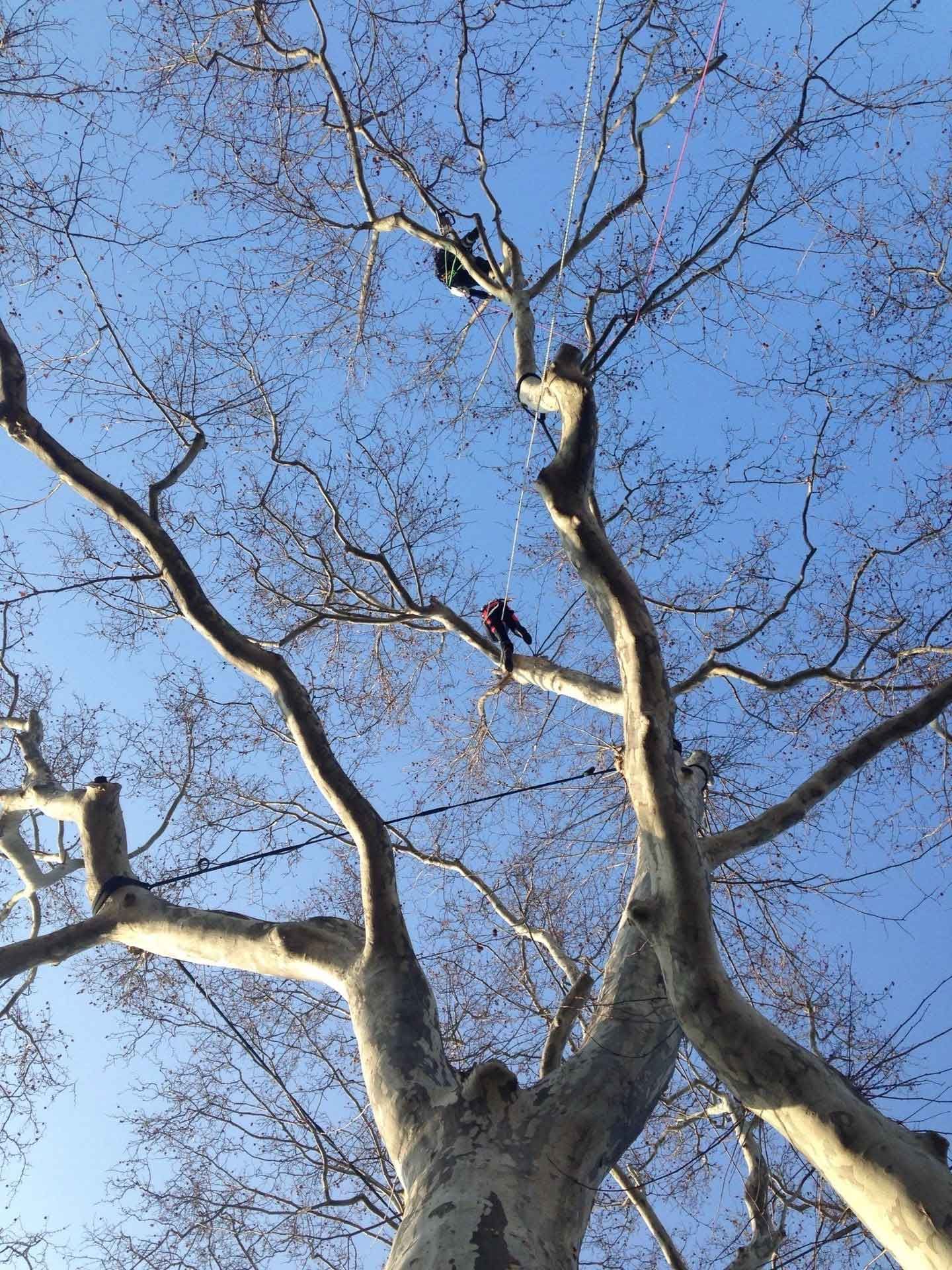
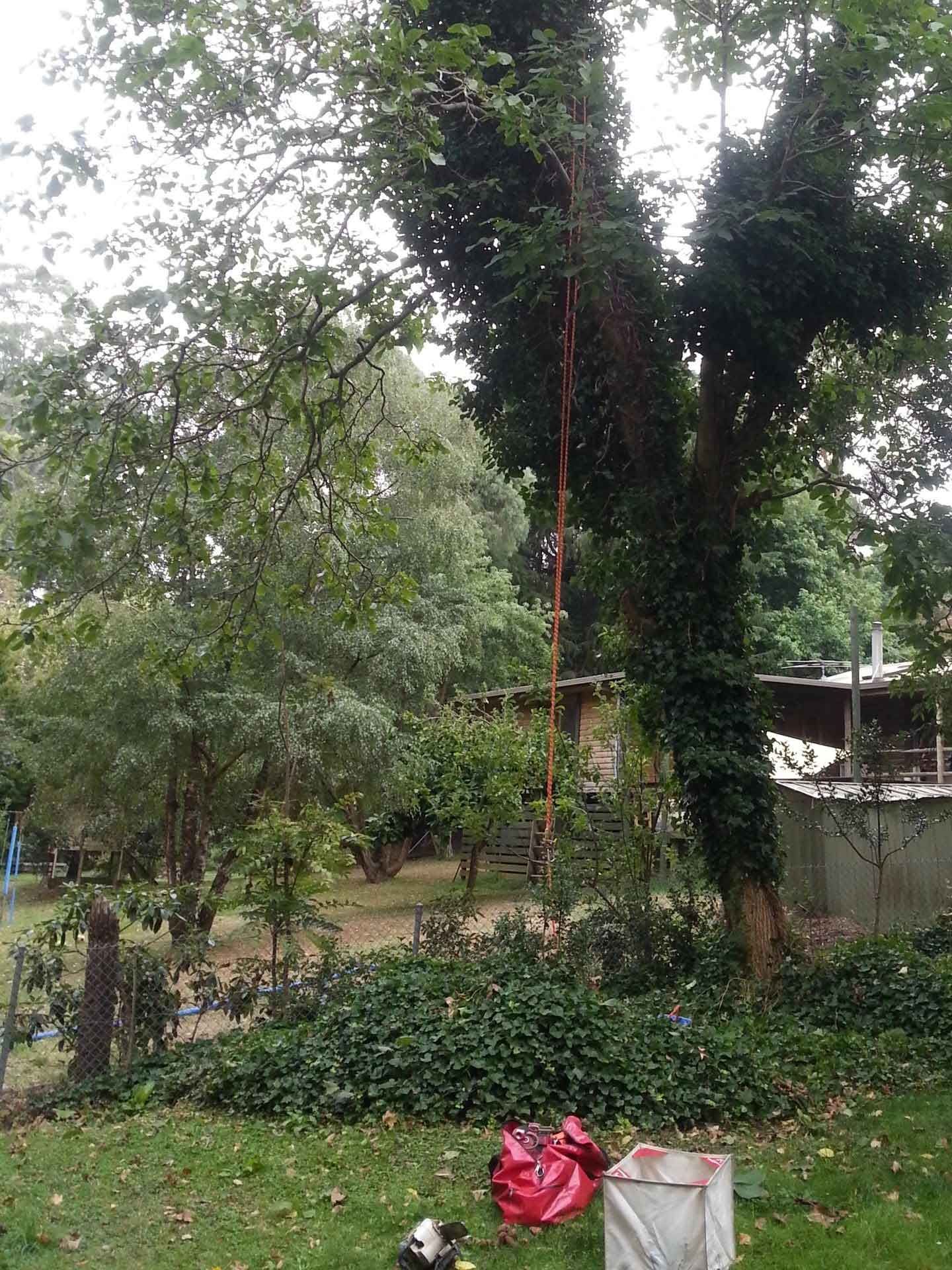
Professional, state-compliant arboricultural reports for planning, property due diligence and tree risk management across Victoria. Our reports are clear, defensible and written by qualified arborists to meet council and Australian Standards requirements — helping you satisfy planning permits, manage risk and protect tree assets.
Types of arborist reports
Arboricultural Impact Assessment (AIA) / Development reports
for planning permit applications and construction projects. Assess tree retention viability, impacts of proposed works, Tree
Protection Zones (TPZs), recommendations for design changes and construction-phase protections
Tree Condition / Health Assessment
a structured inspection of vigour, pests/disease, structural defects and life-stage with recommended management (pruning, remediation, removal).
Tree Risk Assessment (TRA / QTRA-style)
assessment of likelihood and consequence of failure, prioritised risk ratings and pragmatic mitigation options for public safety and asset protection.
Pre-purchase / Insurance / Due-diligence reports
short-form health and risk checks written for
buyers, insurers or managers to identify issues that may affect value or liability.
Arboricultural Method Statements & Tree Protection Plans (TPP)
practical on-site instructions and plans (fencing, access restrictions, material storage, supervision) to protect retained trees during
site works.
Root Investigation / Soil / Sub-surface assessments
targeted inspections where excavation or
services intersect tree root zones; may recommend non-destructive probing or specialist arboricultural protection measures.
Tree valuation reports
market / amenity valuation for compensation, insurance or dispute resolution (typically prepared to an accepted valuation method).
Maintenance inspection reports
periodic condition monitoring and pruning recommendations to maintain tree health and safety.
Multiple report types
(If you need multiple report types bundled for a planning permit or construction package, we can tailor a combined AIA + TPP + ongoing supervision package.)
Who should prepare these reports
(qualifications & training)
Victoria’s councils and professional guidance expect reports to be prepared by suitably qualified and experienced arborists. Common expectations include:
- Diploma of Arboriculture (AHC50524) or equivalent (AQF Level 5) or higher for consultant/technical reports. Training providers and Victorian government course listings show the Diploma as the recognised pathway for consultant arborists.
- Certificate III in Arboriculture is the typical field operator qualification (climbing/EWP competencies) used by contractors; consultant reports usually require the higher Diploma level competency.
- Many councils specifically request that arboricultural reports submitted for planning be prepared by a suitably qualified and experienced arborist (see several council guides).
We state the author’s qualifications, membership/affiliations and relevant experience clearly in every report so councils, solicitors and insurers can rely on the document.
Standards & guidance we follow (key references)
- AS 4970 — Protection of Trees on Development Sites — recently updated (AS 4970-2025) and the principal Australian standard for calculating Tree Protection Zones (TPZ), construction clearances and protection measures used in development assessments. Our AIAs and TPPs reference AS 4970 guidelines when determining TPZs and construction protocols.
- AS 4373 — Pruning of Amenity Trees (2007, reconfirmed) — the accepted Australian Standard for pruning practice and pruning specifications included in maintenance and remedial works sections of reports.
- • Local council arborist report guidelines — many Victorian councils (and Council Arboriculture Victoria resources) publish templates and minimum content checklists for reports, including required plans, tree schedules and author qualifications; we prepare reports to meet those local requirements.
Typical report contents
(what clients receive)
Each report is customised, but most include:
• Client and site details, purpose and scope of report
• Author name, qualifications and contact details
• Inspection date(s) and methodology
• Tree schedule (tag no., species, DBH, height, canopy spread, condition, structural observations, retention value)
• Site plan / annotated tree location plan and photos
• Risk rating and justification (if applicable)
• Assessment of impacts from proposed works and TPZ calculations per AS 4970
• Clear recommendations (prune, remediate, protect, remove) and an implementation /
supervision plan (TPP) where required
Councils commonly require a plan with tagged trees that match the schedule; we provide CAD/PDF plans suitable for permit lodgement.
Why use a qualified consultant?
Councils and courts favour reports prepared by accredited, experienced consultants. A correctly prepared arborist report reduces planning delays, helps manage risk, and provides defensible advice for construction and tree stewardship. Local council guides explicitly recommend Diploma-level consultants for statutory reports.
How we work (process)
1. Initial scoping (define purpose: permit, risk, pre-purchase, etc.)
2. Site inspection and data collection (measurements, photos, notes)
3. Report drafting (tree schedule, plans, recommendations, TPP where required)
4. Final delivery and (if needed) revisions to meet council/planner queries
5. Optional contract supervision for construction (site induction, monitoring)
Want results like these? Call 0490 769 564 for a consultation with our arborists.